

Choosing the Right Window Style for Your Home’s Architecture
Windows play a defining role in both the appearance and performance of a home. Beyond providing natural light and ventilation, they shape how a house is perceived from the outside and how comfortable it feels on the inside. The relationship between window style and architectural design is especially important, as mismatched choices can disrupt visual harmony while well-matched selections enhance character and cohesion. Understanding how window styles align with different architectural forms helps homeowners make informed decisions that respect design intent while supporting functionality.
How Architecture Influences Window Design
Every architectural style carries its own visual language, expressed through proportions, lines, and materials. Windows are integral to this language, reinforcing symmetry, balance, or asymmetry depending on the structure. Traditional homes often feature vertically oriented windows that emphasize height and order. In contrast, modern homes tend to favor wide openings and expansive glass surfaces that blur the boundary between indoors and outdoors. Choosing window designs that echo the home’s underlying architectural principles ensures the exterior remains cohesive rather than fragmented.
Traditional Homes and Classic Window Styles
Traditional architecture, including colonial, Victorian, and farmhouse designs, typically emphasizes symmetry and refined detailing. Double-hung and casement windows align well with these homes because they reflect historical proportions and familiar aesthetics. Grids or divided panes further enhance the classic look, adding texture and visual depth. These window styles preserve the timeless appeal of traditional architecture while allowing for modern upgrades in energy efficiency and durability, ensuring that appearance and performance work together.
Modern and Contemporary Architectural Approaches
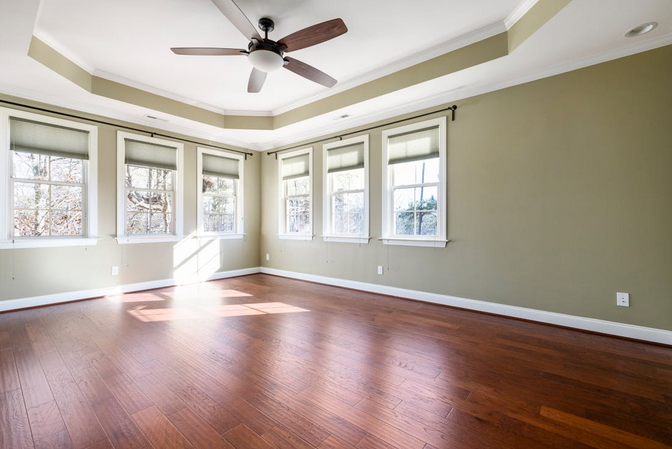
Modern and contemporary homes prioritize clean lines, open spaces, and minimal ornamentation. Large picture windows, sliding glass panels, and floor-to-ceiling glazing are commonly used to create expansive views and a strong connection to the outdoors. Frames are often slim and unobtrusive, allowing the glass itself to become the dominant visual element. In these designs, windows serve as architectural features rather than simple openings, reinforcing the sleek, uncluttered aesthetic of modern living.
Balancing Aesthetics and Functionality
While visual compatibility is important, practical considerations must also guide window selection. Climate, orientation, and interior layout all influence which styles perform best. For example, awning windows may be well-suited for areas requiring ventilation during rain, while bay or bow windows can add interior space and increase natural light. A balanced approach considers both the architectural context and how each window will be used daily. This ensures that choices enhance comfort and efficiency without compromising design integrity.
Considering Proportion and Placement
Proportion and placement are as important as the window style itself. Oversized windows on a traditionally scaled home can appear out of place, while small windows on a modern structure may feel restrictive. Alignment with doors, rooflines, and exterior features helps create a sense of order and intentionality. Thoughtful placement also affects interior lighting and views, making windows functional design elements rather than purely decorative additions.
Choosing the right window style involves more than selecting a design that looks appealing in isolation. It requires understanding the home’s architectural character, recognizing how different styles communicate visually, and balancing aesthetics with practical needs. When window choices respect the home’s architectural language, they enhance curb appeal, improve comfort, and contribute to a cohesive living environment. In this way, windows become integral components of both form and function, shaping how a home looks and how it is experienced.